
Manufacturing, FDI & Trade
Manufacturing, FDI & Trade: Bringing Jobs Back Home?
Understanding America’s Manufacturing Comeback
The conversation around U.S. manufacturing jobs often centers on trade and foreign direct investment (FDI) — and whether these forces have sent American jobs overseas. While some roles have moved abroad, the real story is more nuanced. The U.S. still manufactures — but differently, and more strategically than before.
The U.S. Still Makes Things — Just Not the Same Things
Despite frequent claims that “America doesn’t make anything anymore,” the U.S. remains one of the world’s top manufacturing nations by total output. What’s changed is the type of manufacturing taking place.
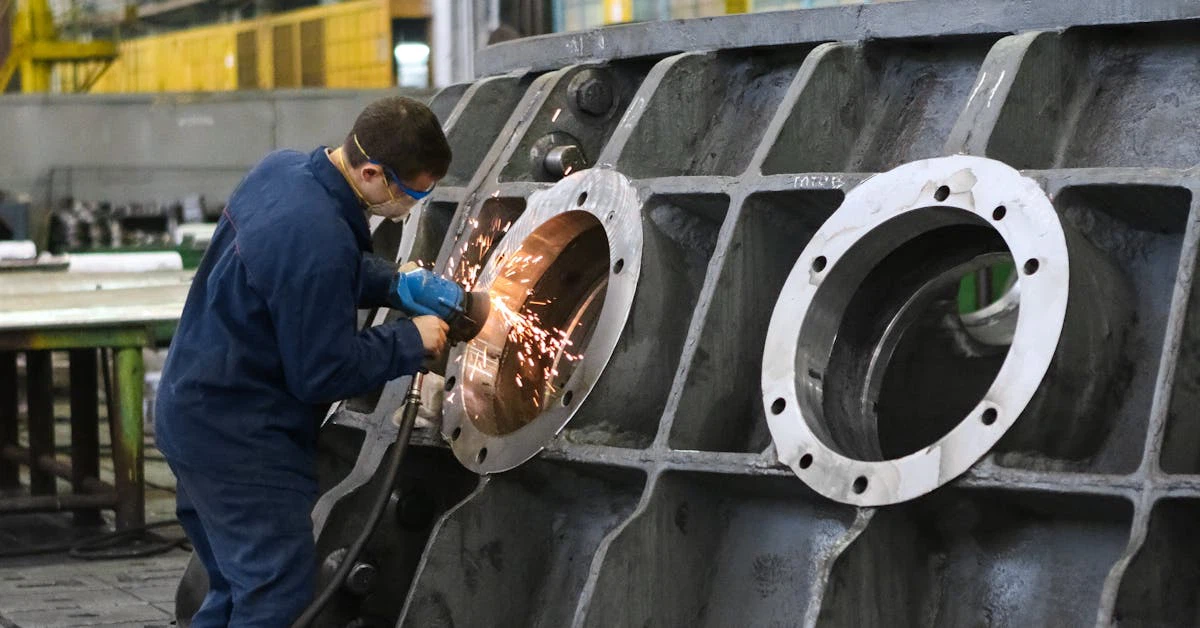
Low-cost, labor-intensive production has largely shifted to other regions. What’s left in the U.S. is high-value, advanced manufacturing — in industries like aerospace, medical technology, and advanced electronics. These sectors create fewer jobs, but each role contributes more value, higher productivity, and better wages.
The Evolution of Jobs — and Economic Development Strategy
The decline in U.S. manufacturing jobs is not solely due to offshoring. Automation and innovation have transformed how factories operate. Today, fewer people are needed to produce more goods.
That’s why Economic Development Organizations (EDOs) now prioritize advanced manufacturing and high-skill training. Reshoring efforts increasingly target strategic, high-tech industries — sectors that enhance long-term competitiveness rather than chase low-cost labor.
FDI: A Vital Driver of U.S. Manufacturing Growth
While sometimes viewed skeptically, foreign direct investment (FDI) plays a vital role in sustaining and growing American manufacturing – over 2.3 million Americans work in manufacturing roles at foreign-owned firms – that’s nearly 20% of the U.S. manufacturing workforce.
These firms invest in innovation, R&D, and workforce training. They choose the U.S. for its skilled talent, infrastructure, and market access – not just costs. FDI helps communities diversify economies and build resilient supply chains.
Global Trade: Balancing Progress and Responsibility
Global trade has lifted millions out of poverty in developing countries — but it’s also contributed to job displacement in the U.S. Many of the offshored roles were low-wage, low-skill jobs that are less aligned with today’s U.S. economy.
Rather than aiming to “bring back” every job, the U.S. should focus on reshoring quality manufacturing that fits its strengths in technology, innovation, and skilled labor. The future lies in sustainable, value-added manufacturing, not in competing on cost alone.
Looking Ahead: Building the Future of U.S. Manufacturing
The challenge isn’t about restoring the past — it’s about building the future.
To ensure a thriving, globally competitive manufacturing base, U.S. policymakers, EDOs, and industry leaders should focus on:
- Investing in advanced industries
- Strategically attracting FDI that complements U.S. strengths
- Developing a skilled manufacturing workforce
- Strengthening supply chain resilience
Manufacturing will remain a cornerstone of the U.S. economy, but success will depend on adaptation, collaboration, and innovation.
Turning Insight into Action
Reshoring and FDI attraction are not opposing forces — they are two sides of a stronger, smarter industrial strategy. Communities that embrace this dual approach will lead the next wave of sustainable U.S. manufacturing growth.
Ready to explore business attraction strategies including in FDI? Contact our team to learn how we can help your region compete and thrive.